


Three Ways to Compute Chargeable Weight, One Line on the Invoice
An invoice billing 4,770 pounds on a 3,419 pound shipment can be correct. Density floors, deficit bumping and dimensional divisors each produce a weight you never tendered.

What You Can Actually Cite on a Residential Delivery Charge
Most residential surcharge disputes fail because the only thing attached to them is a hunch about the address string. Here is what counts as a record, and what a carrier can ignore.

A Dimension You Never Recorded Is a Class You Cannot Defend
When a carrier reclassifies your pallet, the dispute is a contest between two records. If your tender never captured a measured height, only one side brought one.

The Reweigh Certificate Exists, Your Audit Never Sees It
A reweigh correction comes with a certificate naming the terminal, the device and the date. It is retrievable by PRO number, and most audits pay the line without pulling it.

Email Is Still the Freight API
Most of your carriers will never send an EDI 210. The inbox is the integration layer, and its first decision is not what the PDF says but what the message is.

The Same 400 Dollars, Every Month, on the Same Lane
A charge that lands every month on one lane is not a monthly exception. It is a single unfixed cause, and a dispute queue scored on win rate will never find it.
An Agent That Says Needs Data Beats One That Guesses
A straight-through rate tells you how often nobody looked, not how often nobody needed to. Why needs-data belongs on the scorecard, and what evidence it has to carry.
Your TMS Renewal Is an Architecture Decision You Made Two Years Ago
Renewal leverage is not a contract clause. Whether you can actually move off a TMS or a visibility provider was settled by whoever wrote the integration.

Eight Ways to Say Detention, and Why Your Spend Report Breaks
Your carriers describe the same waiting trailer eight different ways. Until every one of those lines resolves to a single canonical code, you cannot match it or count it.

A Single Visibility Feed Will Not Survive a Carrier Rebuttal
A carrier rebuttal does not argue with your day count. It argues with your source. If both your container feeds got the event from the carrier, you hold one record, not two.

Late Documents Should Supersede Your Freight Audit, Not Overwrite It
A carrier notice published in April moved free time that started in March. If your audit record overwrites the old number, you lose the defence and may book the recovery twice.

Your TMS in ChatGPT, and Why Write Access Got Its Own Checkbox
Connecting a TMS to ChatGPT over MCP needs two permission gates: the connector scope as a ceiling, the user's role underneath it, and writes off by default.
Duplicate Invoices Do Not Look Like Duplicates
A re-bill, a re-rendered PDF and a factored receivable all carry money you may have already paid, and none of them matches on invoice number. What a real check has to test.
Negotiating With Twelve Carriers at Once Without Double-Awarding
Parallel carrier outreach is the only way to cover a rejected tender in time. It also creates a race condition. Here is what an atomic award has to lock down.

"The AI Decided" Is Not a Dispute Position
A flag with a confidence score will not survive a carrier's billing desk or your external auditor. Here is the decision record a freight finding has to carry.

Who Pays for the Container When Four House Bills Share It
A demurrage invoice names a box, not an importer. When four house bills sit in that box, allocation needs a cause test first and revenue ton second.
An ETA Slip Should Rebook the Dock Before the Driver Arrives
The revised arrival time lands hours before the appointment is missed. Recovery is the workflow nobody built, so the signal sits in a queue until a driver calls from the gate.
Fuel Surcharge Is Four Calculations Pretending to Be One Line Item
A pegged formula, a banded matrix, a percentage of line haul and a deferral to a tariff all bill as the same charge code. Matching engines pass three of the four without testing anything.

The Exception You Catch in Transit Is the Accessorial You Never Pay
Detention, layover and TONU run on timers that start long before the charge does. Catching the exception while the timer runs is the difference between a bill you dispute and one that never exists.
Know the Cost Floor Before You Open a Truckload Negotiation
A rate benchmark tells you what other shippers paid. A zero-base cost floor tells you what the truck costs to run. Here is how to build one from published inputs.

Index-Linked Surcharges Have to Be Recomputed, Not Rate Matched
BAF and ETS lines are formula outputs, not prices. Matching one to the carrier's own tariff sheet proves nothing. Here is what rebuilding the number from the index actually takes.

Why the Orchestrator Is a Language Model and the Workers Are Not
Hardcoded pipelines cannot adapt to freight. Fully generative pipelines cannot be trusted with money. The split that resolves it runs between the layer that decides and the layer that computes.
The Appointment You Cannot Get Is the Detention You Will Pay For
A scheduling portal publishes availability, not feasibility. When the only slot left cannot satisfy the must-arrive-by date, you are not booking a dock, you are choosing which penalty to pay.
The Freight Audit Bottleneck Is Load Resolution, Not Rate Math
Rate variance is arithmetic against a table you already own. The queue that never drains is full of invoices nobody can tie to a shipment, and that is an identity problem.
The Routing Guide Failed Six Weeks Before You Saw the Invoice
By the time a spot charge reaches accounts payable, the decision that created it is six weeks old. Contract, spot and escalate have to be priced while the tender is still open.
Your Visibility Feed Knows Where the Truck Stopped, Not Why
Rules over telemetry fire an alert when dwell crosses a threshold. They cannot say whether the dock is backed up or the driver arrived four hours early. That gap is where the cost sits.

Another Vendor's Model Grades Penny, and You Never See the Score
Penny's audit findings are graded by a model from a different vendor, across five dimensions, and the result never leaves our harness. The reasoning behind both choices.
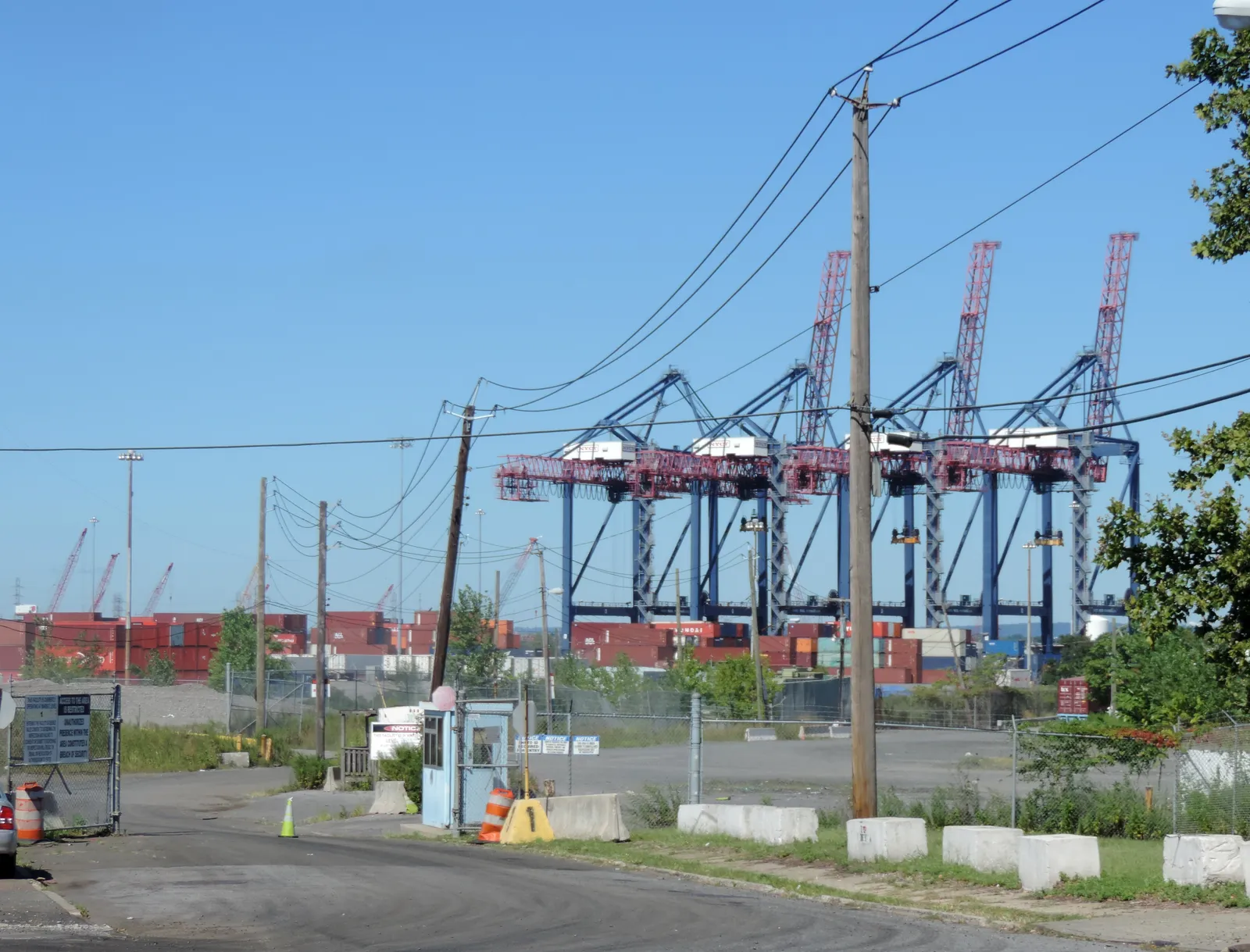
The One-Line Date Bug That Costs a Day of Demurrage Per Container
A UTC timestamp truncated to a date is the whole bug. One day at Norfolk is $135 on ACL's published tariff, and the error repeats on every container you audit.

Full Autonomy Is a Setting, Not a Product
Autonomy is set per workflow, not per product. How L0 to L4 maps to freight back-office work, why hard rules sit above the tier, and what goes wrong at L3.
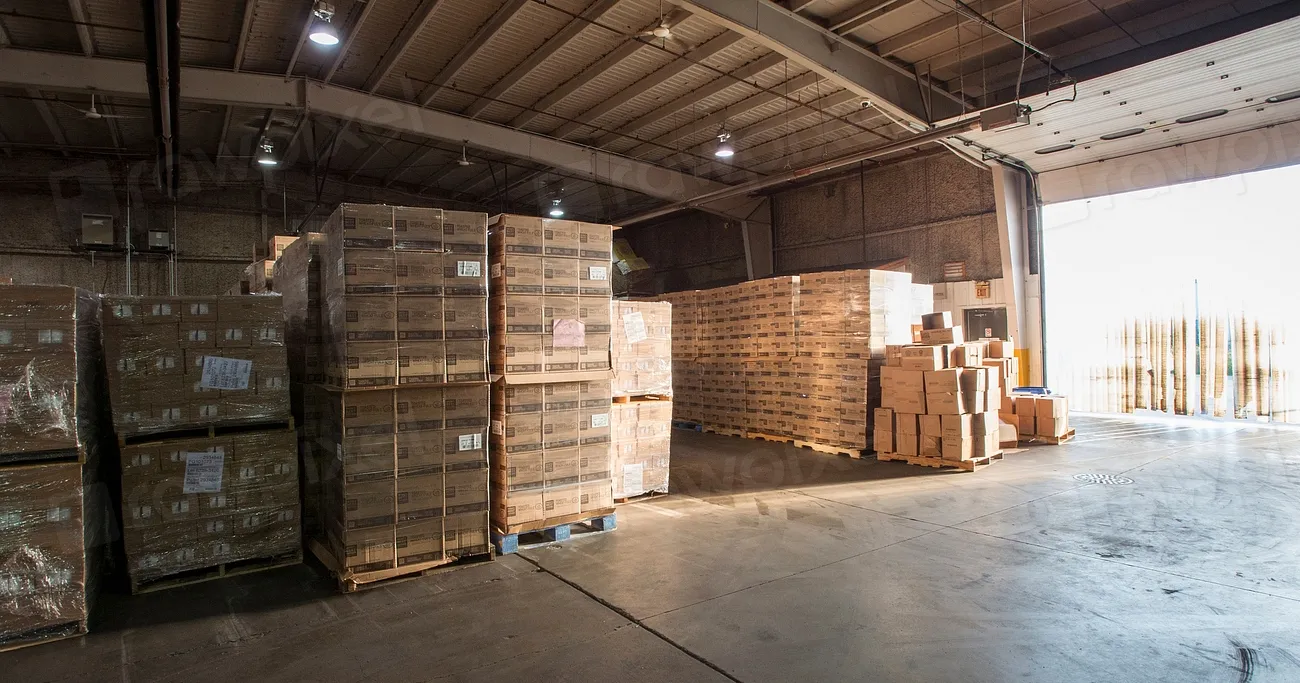
Three-Way Matching Was Built for Purchase Orders, Not Freight
A freight invoice that disagrees with the rate confirmation is not automatically wrong. The fourth leg of the match, execution evidence, is what tells an error from a real change.
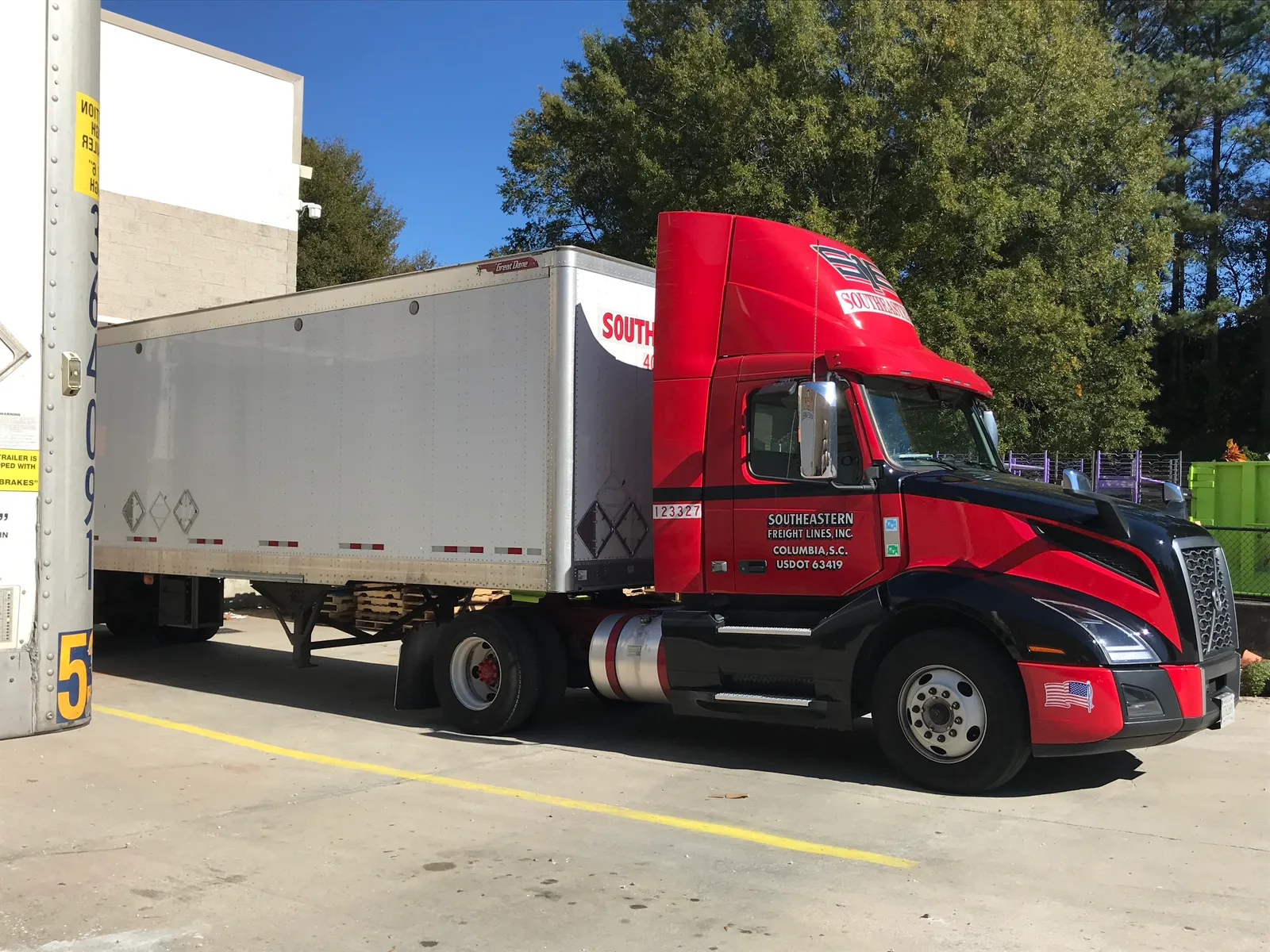
What Stops a Voice Agent Committing You on a Carrier Call
A voice agent that negotiates can commit you. Four safeguards decide who it may dial, what equipment it may accept, which terms it may concede, and what gets reversed after.
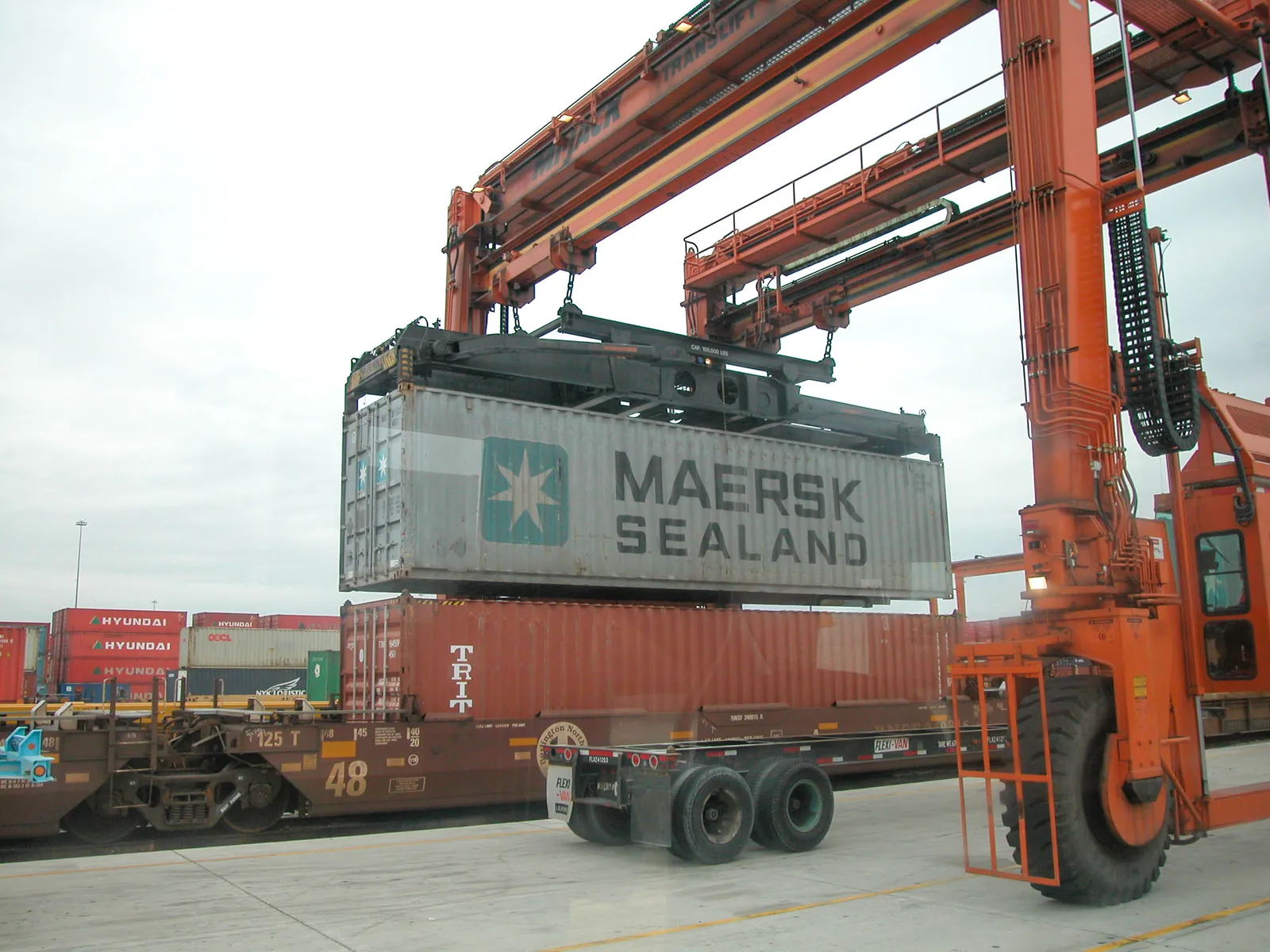
Why No Language Model Counts Your Demurrage Days
Penny reasons about which tariff governs a container. She never computes the day count herself. Here is why arithmetic belongs in a deterministic engine rather than a language model.
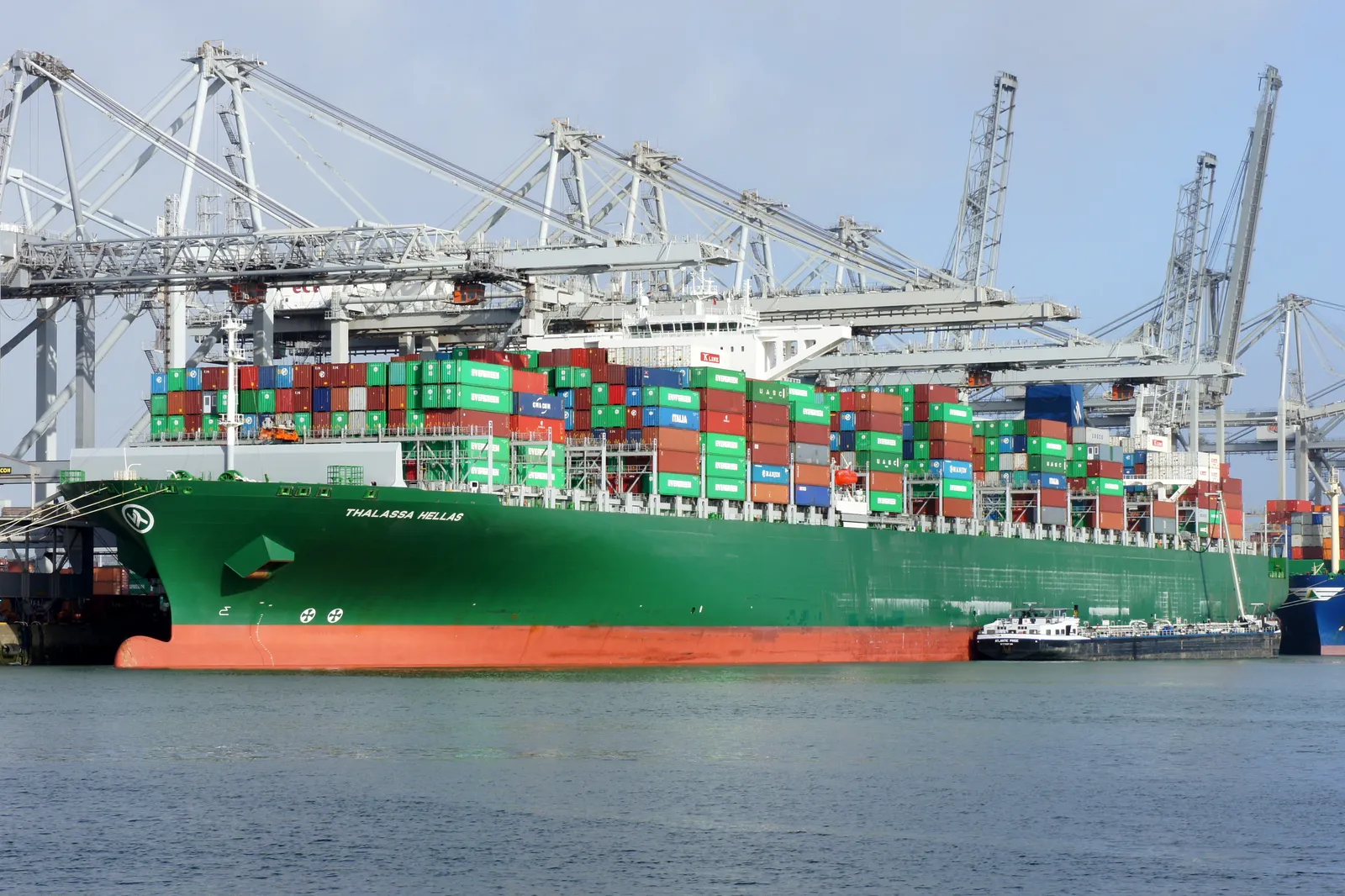
Demurrage Is a Causality Problem, Not a Rate Check
Checking the per diem against the tariff tests the smallest number on the invoice. The money sits in the day count, and in who caused each day you were billed for.

Why Road Freight Audit Logic Collapses on Ocean Containers
Road audit matches a rate to a lane and a lane to a load. Containers offer neither, nor a single carrier of record. Here is what an ocean audit has to check instead.
What a Detention Charge Has to Prove Before You Pay It
A detention line can match your contract rate to the cent and still be unearned. Here is the evidence chain that decides whether the carrier actually earned it.

Stop Paying First: Why Freight Auditing Needs to Move Upstream
Many freight audit providers get paid when carriers overcharge you, creating a built-in conflict of interest. Here’s why moving auditing before payment changes the economics entirely.
The Hidden Freight Leakage in Your Supply Chain
Freight billing errors, overcharges, and fraud quietly drain margins. Here is how to tell mistakes from fraud — and how agentic AI closes the gap.